The Complete Ihram Guide: Spiritual and Practical
Published Last updated
Before a single step is taken around the Kaaba, before a single verse is recited in Tawaf, the pilgrim must first enter one of the most profound spiritual states in Islam: the state of Ihram. Understanding Ihram — not just its rules, but its spirit — is the foundation of a meaningful Hajj or Umrah.
What Is Ihram?
Ihram is the sacred state that a Muslim must enter before performing Hajj or Umrah. The word comes from the Arabic root h-r-m, meaning "forbidden" or "sacred." When you enter Ihram, you are transitioning from the ordinary world into a state of heightened spiritual awareness and Divine proximity.
Ihram has two components: the physical (the garments you wear and the preparations you make) and the spiritual (the intention you make and the state of purity you maintain). Neither is complete without the other. Many pilgrims focus entirely on the physical aspects and overlook the profound spiritual transformation that Ihram is meant to catalyze.
The scholars of Islam describe Ihram as a death rehearsal — a foretaste of standing before Allah on the Day of Judgment, stripped of all status, wealth, nationality, and worldly distinction. The white garments of Ihram deliberately evoke the kafan, the burial shroud. Every pilgrim, from king to commoner, wears the same seamless white cloth. There are no pockets for your credit cards. No space for your job title. No room for your ego.
The Physical Preparation for Ihram
Before donning the Ihram garments, the Sunnah recommends a series of cleansing rituals:
1. Ghusl (Ritual Bath)
Perform a complete ritual bath, including washing the hair. This Ghusl is Sunnah Mu'akkadah — a confirmed Sunnah — for both men and women, including women who are menstruating or experiencing post-natal bleeding. Note that women in these states may still perform Ghusl and enter Ihram; they simply defer the Tawaf and Sa'i until they are in a state of purity.
2. Trimming and Grooming
Before entering Ihram, trim your nails, remove unwanted body hair, and trim the mustache. These actions are not permitted while in the state of Ihram, so attending to them beforehand ensures you begin in a state of cleanliness without risking violations later.
3. Applying Perfume
Apply perfume to the body before putting on the Ihram garments. Importantly, the perfume should be applied to the body, not the garments themselves. Once Ihram is entered, the use of perfume is prohibited — but any scent applied to the body before Ihram is not only permissible but Sunnah, per the narration of Sayyidah Aisha (RA) in Sahih Bukhari.
The Ihram Garments
For Men
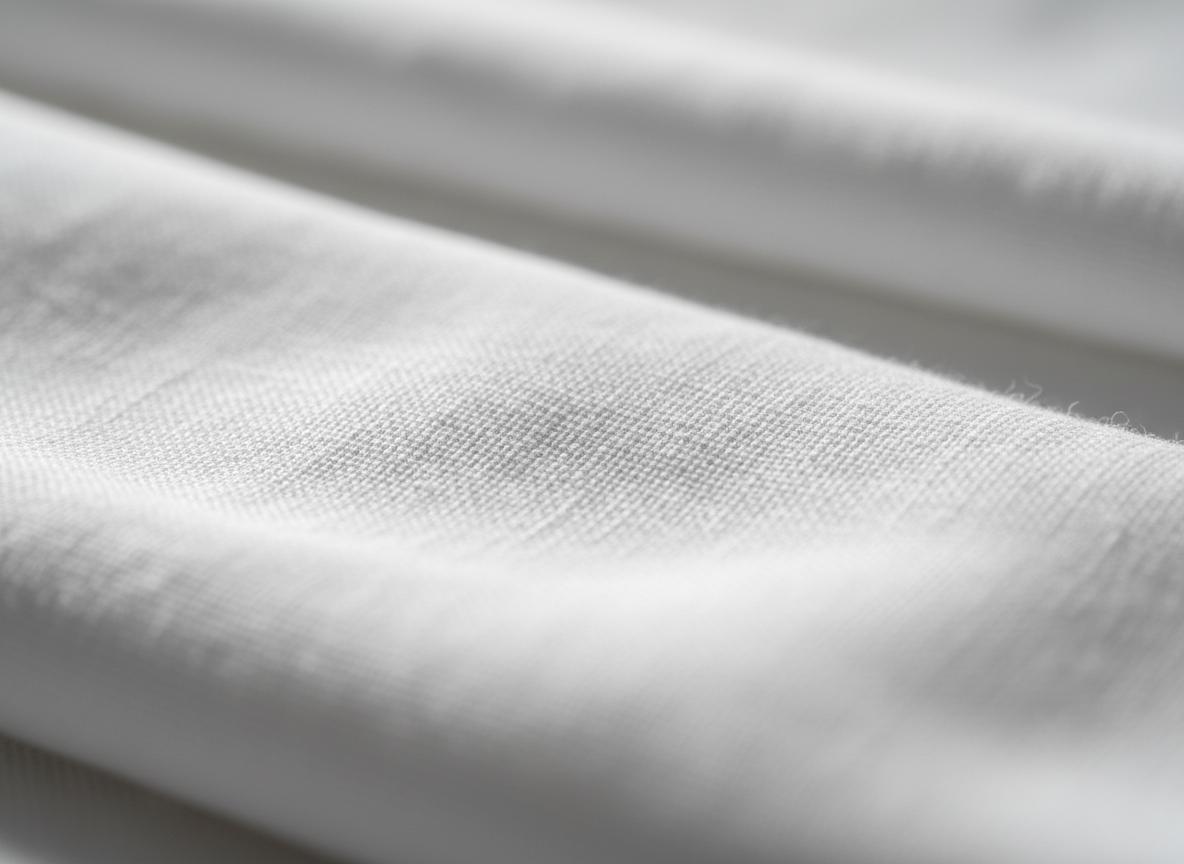
Men wear two pieces of unstitched white cloth: the Izar (the lower wrap, covering the waist to below the knees) and the Rida (the upper wrap, draped over the shoulders). The cloth must be unstitched and free of decoration. Most pilgrims wear terry towel-style Ihram fabric, which is soft, breathable, and relatively comfortable in the heat of Mecca and Madinah.
Men must leave their heads uncovered throughout Ihram. Footwear is restricted to sandals or slippers that leave the middle bones of the upper foot (the kafein) exposed. Standard flip-flops are perfectly acceptable.
For Women
There is no specific prescribed garment for women in Ihram. Women may wear any modest, loose-fitting clothing that covers the entire body, as is their normal standard of Islamic dress. The garments should not be tight-fitting or transparent. Most women wear their regular abaya and hijab, or choose a specifically designed Ihram-friendly two-piece set in white or any modest color.
Women's faces and hands must remain uncovered while in Ihram. They should not wear the niqab (face veil) or gloves. If a woman wishes to observe purdah around non-mahram men, she may lower a portion of her headscarf over her face without it touching the face directly — this is the ruling according to the majority of scholars.
The Miqat: Where Ihram Begins
The Miqat (plural: Mawaqit) are the designated boundary points beyond which no person intending Hajj or Umrah may pass without being in the state of Ihram. The Prophet Muhammad (PBUH) designated five Mawaqit corresponding to the major directions of approach to Mecca.
For pilgrims flying from Canada, the most commonly applicable Miqat is Dhul Hulayfah (also called Abyar Ali), located approximately 9 km from Madinah. If your itinerary includes a stay in Madinah before proceeding to Mecca, you will enter Ihram at Dhul Hulayfah before departing for Mecca.
If you are flying directly to Jeddah without stopping in Madinah, the aerial Miqat typically aligns with Qarn al-Manazil (for those approaching from the east). Your airline will usually announce when the aircraft is passing over the Miqat, and many pilgrims enter Ihram before boarding to avoid the rush on the plane.
Making the Niyyah (Intention)
After donning the garments and performing two Rak'ahs of prayer (Sunnah of Ihram), you make the formal intention to enter Ihram. The Niyyah is specific to the type of pilgrimage you are performing:
- Ifrad (Hajj only): "Labbayk Allahumma Hajjan" — Here I am, O Allah, for Hajj.
- Tamattu (Umrah then Hajj): "Labbayk Allahumma Umratan" — Here I am, O Allah, for Umrah. (Hajj Ihram is entered later, on the 8th of Dhul Hijjah.)
- Qiran (combined): "Labbayk Allahumma Hajjan wa Umratan" — Here I am, O Allah, for both Hajj and Umrah together.
- Umrah only: "Labbayk Allahumma Umratan"
The Talbiyah: The Pilgrim's Song
Upon entering Ihram, the pilgrim begins reciting the Talbiyah — one of the most beautiful declarations in all of Islamic practice:
لَبَّيْكَ اللَّهُمَّ لَبَّيْكَ، لَبَّيْكَ لَا شَرِيكَ لَكَ لَبَّيْكَ، إِنَّ الْحَمْدَ وَالنِّعْمَةَ لَكَ وَالْمُلْكَ، لَا شَرِيكَ لَكَ
"Here I am, O Allah, here I am. Here I am, You have no partner, here I am. Verily all praise and blessings are Yours, and all sovereignty. You have no partner."
Men recite the Talbiyah loudly; women recite it quietly. It is Sunnah to recite it frequently throughout the pilgrimage — upon ascending, descending, and at every change of state. The Talbiyah is your answer to Allah's call to Hajj — the call that Ibrahim (AS) made across the centuries, which Allah decreed would reach every heart that would ever make this journey.
The Prohibitions of Ihram
Once in Ihram, certain actions become prohibited. These restrictions serve to keep the pilgrim focused entirely on worship and away from worldly distractions:
The Spiritual Dimension of Ihram
Beyond the rules, Ihram is an invitation to a profound internal shift. When you shed your regular clothes and don those two simple white sheets, something shifts in the heart. The equality becomes visceral. The king and the pauper, the professor and the laborer — all stand before Allah in the same white cloth, reciting the same words.
Use the time in Ihram — however many days or weeks it spans — to consciously cultivate gratitude, humility, and presence. Avoid idle talk. Increase your remembrance of Allah. Read Quran. Make sincere Dua. The restrictions of Ihram are not punishments; they are spiritual guardrails that keep you on the path toward Allah and away from the distractions of the nafs.
Ready to Begin Your Hajj Journey?
Our team will walk you through every aspect of Ihram and beyond — from Canadian departure cities to the sacred gates of the Haram.
Frequently Asked Questions
What does the word Ihram mean?
Ihram comes from the Arabic root h-r-m, meaning "forbidden" or "sacred." It is the sacred state a pilgrim enters before performing Hajj or Umrah.
Is Ihram only about the clothes you wear?
No. Ihram has two components: the physical (the garments you wear and the preparations you make) and the spiritual (the intention you make and the state of purity you maintain).
What fabric do most men choose for Ihram?
Most pilgrims wear terry towel-style Ihram fabric, which is soft, breathable, and relatively comfortable in the heat of Mecca and Madinah.
What do most women wear in Ihram?
Most women wear their regular abaya and hijab, or choose a specifically designed Ihram-friendly two-piece set in white or any modest colour.